Urban Design

Creating Human-Centered Urban Experiences

At Mammute, Urban Design is approached as a strategic and interdisciplinary process that integrates urban analysis, placemaking, city branding and identity, environmental graphic design, and social innovation to create human-centered, meaningful, and experience-driven cities. By connecting culture, economy, and everyday urban life, we shape places that foster lasting value and sustainable urban development.

Urban Design at Mammute

Our Approach
Urban Design at Mammute Urban Innovation Studio is one of the center's core professional services, delivered through a strategic, interdisciplinary, and human-centered methodology. Our approach unfolds across five complementary layers:
It begins with strategic urban analysis and the development of long-term urban development frameworks. It then extends to the design of public spaces and the urban regeneration of underutilized and obsolete areas, grounded in a deep understanding of each city's climate, culture, and urban anthropology.The third layer focuses on urban experience design and city branding, shaping both the identity of place and the public perception of the city. The fourth layer leverages innovation, smart technologies, data-driven decision-making, and citizen participation to develop responsive and resilient urban solutions. Finally, comprehensive implementation management ensures design quality, long-term sustainability, and successful project delivery.The outcome is the creation of vibrant, meaningful, and resilient cities that are deeply aligned with the lived experiences, cultural identity, and everyday life of their communities.

Key Features of Mammute Urban Design

Strategic and interdisciplinary approach

Context-sensitive design based on local climate, culture, and urban anthropology

Urban regeneration and revitalization of public spaces

Urban experience design and city branding

ABOUT
DEPARTMENT

Portfolio

Bazarmaj Branding
[post_terms limit="2"]
Bazarmaj Branding
[post_description]
[post_description]
The First Workshop on Urban Visual Identity Design
[post_terms limit="2"]
The First Workshop on Urban Visual Identity Design
[post_description]
[post_description]
Design, Development, and Implementation of E-Municipality
[post_terms limit="2"]
Design, Development and Implementation of E-Municipality
[post_description]
[post_description]
Havali Platform
[post_terms limit="2"]
Havali Platform
[post_description]
[post_description]
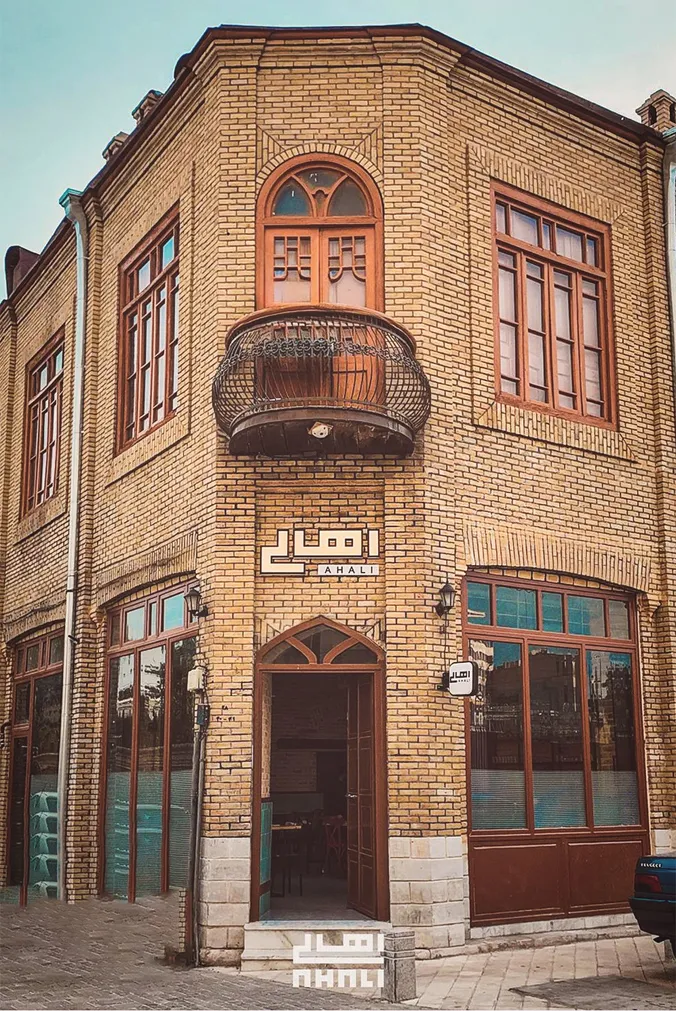
Ahali Platform
[post_terms limit="2"]
Ahali Platform
[post_description]
[post_description]
Tehran Municipality Campaign
[post_terms limit="2"]
Tehran Municipality Campaign
[post_description]
[post_description]
Malayer City Branding
[post_terms limit="2"]
Malayer City Branding
[post_description]
[post_description]
City Branding for the Historic Port of Kong
[post_terms limit="2"]
City Branding for the Historic Port of Kong
[post_description]
[post_description]
Makoran Coast Mega Branding Project
[post_terms limit="2"]
Makoran Coast Mega Branding Project
[post_description]
[post_description]
Rezvanshahr City Branding
[post_terms limit="2"]
Rezvanshahr City Branding
[post_description]
[post_description]
Bandar Kiashahr City Branding
[post_terms limit="2"]
Bandar-e Kiashahr City Branding
[post_description]
[post_description]
Qeshm Island Branding Mega-Project
[post_terms limit="2"]
Qeshm Island Branding Mega-Project
[post_description]
[post_description]
Beyond Seeing and Drawing — Listening to the City's Stories and Hidden Assets
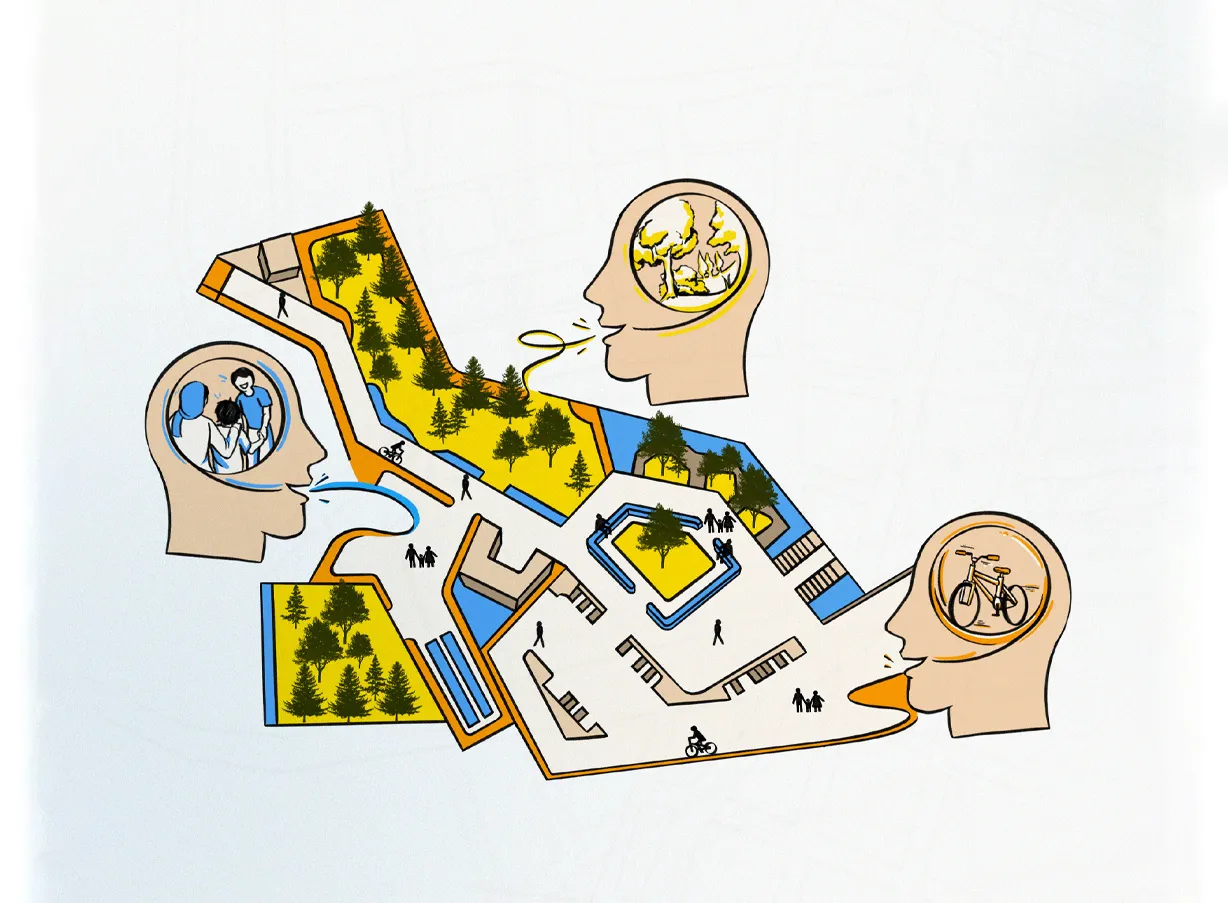
In our urban design projects, we always ask: How can urban design become a tool for listening? Not just seeing and drawing spaces, but hearing the voice of the land and its people — listening to the stories, challenges, and hidden assets of the city. Instead of following the classical design approach that begins with analysis and then proceeds to the plan, we chose a fresh angle: design based on real assets and real stories. We call this approach “Design by Story,” where local narratives and the cultural, social, and economic assets of the city become the starting point and the core of the design process.
Along this path, we asked the people: What challenges do you face in everyday life? What things in your neighborhood are valuable to you? And what memories keep these spaces alive? For us, these questions were not just participation tools — they were an inseparable part of the design process. By listening to these stories, we created designs that generate innovation at the intersection of local assets and lived experiences. Instead of focusing solely on deficiencies, we looked at hidden capacities:
– People as primary sources of local knowledge and expertise
– Public spaces as platforms for social interaction
– Culture, collective memory, and the informal economy as the living layers of the city
Urban Design as a Social Act
Our redefinition of urban design goes beyond mere spatial organization. It is about activating human, physical, and functional potentials within the existing fabric. This is where design becomes a social act — innovation is no longer limited to form and program, but finds meaning in the way we see, listen, and co-design.