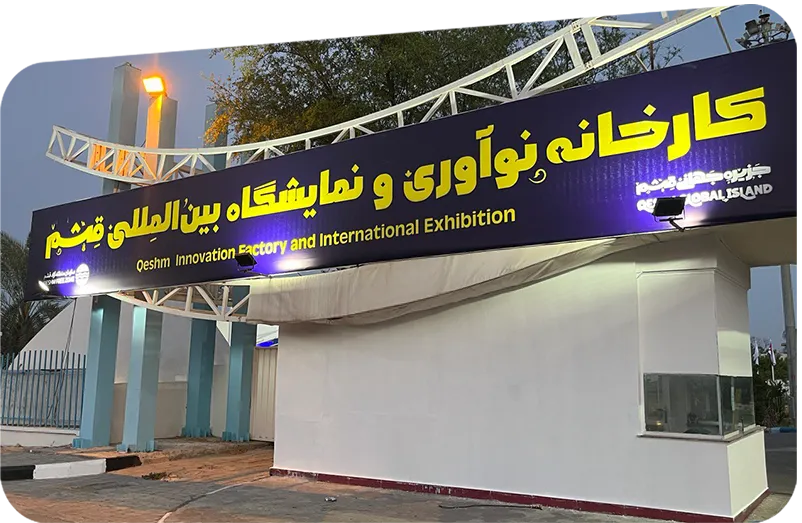
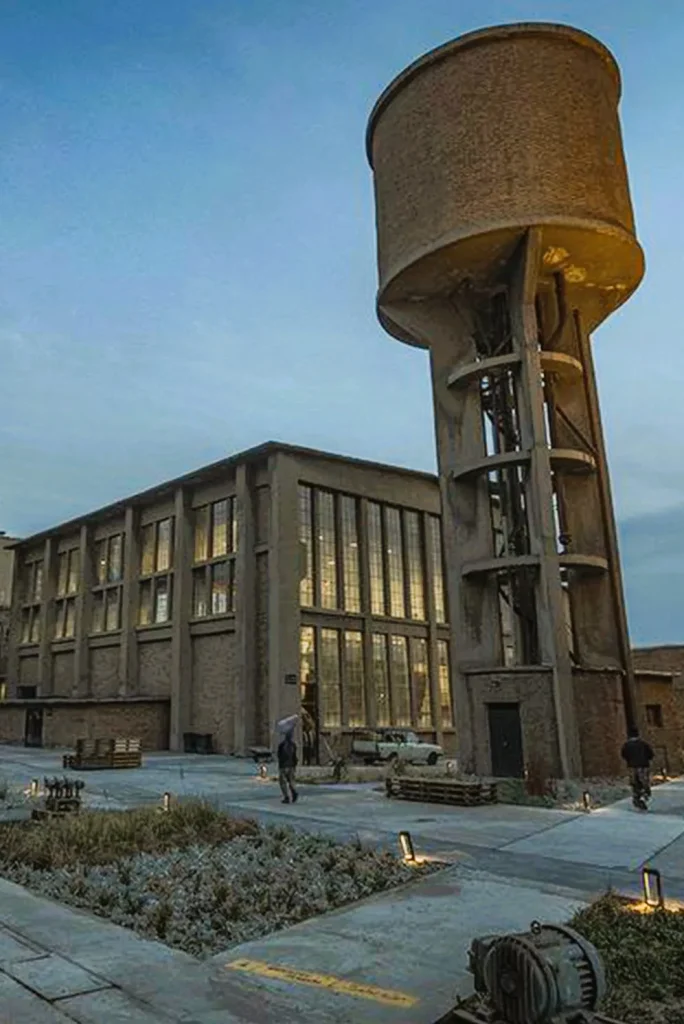
Innovation Factory

A hub for synergy between citizens, the city, and innovation

The Innovation Factory is an interdisciplinary space that connects innovation, culture, and the economy. It serves as a platform for generating urban ideas, developing local technologies, and strengthening the creative ecosystem. Designed and operated by the Mammut Urban Innovation Studio (MUIS), this space becomes a dynamic environment for collaboration, learning, and experimentation across cultural, scientific, and urban domains.

The Lab: The Heart of Urban Culture and Technology

From Design to Operation
The Innovation Factory is a strategic space where innovation, culture, and the knowledge economy converge. Its design and operation are fully integrated by the Mammute Urban Innovation Studio. During the design phase, the studio applies an interdisciplinary approach based on cultural, climatic, and human-centered analysis to define the spatial structure, visual identity, and functional programs of the lab, creating a dynamic environment for scientific, cultural, and social activities. In the operational phase, Mammute acts as both operator and ecosystem manager—organizing events, exhibitions, and specialized bootcamps, while also attracting startups, creative companies, and innovation hubs. The goal is to activate the urban creative ecosystem and transform the lab into a driver of cultural and technological development.

Mammut Services:

Spatial Analysis and Concept Development

Designing the Identity and Structure of the Lab

Setup and Equipping of Innovation Spaces

Management, Operation, and Ecosystem Development

ABOUT
DEPARTMENT

Portfolio

Concept of the Innovation Factory
The concept of the Innovation Factory is a spatial and functional framework built upon the integration of innovation, culture, and the knowledge-based economy. It aims to enable the growth and development of problem-solving ideas emerging from co-creation processes. This space also facilitates the expansion of innovative activities and the engagement of local groups and creative teams across cities. Within the lab, the attributes of innovation, economy, and culture are materialized through a spatial design aligned with an active innovation ecosystem, providing a foundation for social, cultural, and economic interactions within the creative community. The simultaneous integration of technology, culture, and the knowledge-based economy is achieved when citizen activity spaces are not treated merely as physical products, but as interactive corridors of engagement. In such a context, citizens operate within a spatial framework that allows them to focus on their professional activities while simultaneously engaging in complementary cultural and social interactions. The creativity and innovation of the Lab lie in how these spaces are organized and functionally interconnected. The planning and design of the lab are based on the concept of “Afeh” units—each representing a space influenced by the three core dimensions mentioned above. Together, these “Afeh” units form Iran’s Culture & Technology Lab, abbreviated as “AFA.” The concept and dimensions of each “Afeh” are illustrated in the diagram below.