Exhibition Design

Brand Architecture and Interactive Experience Design

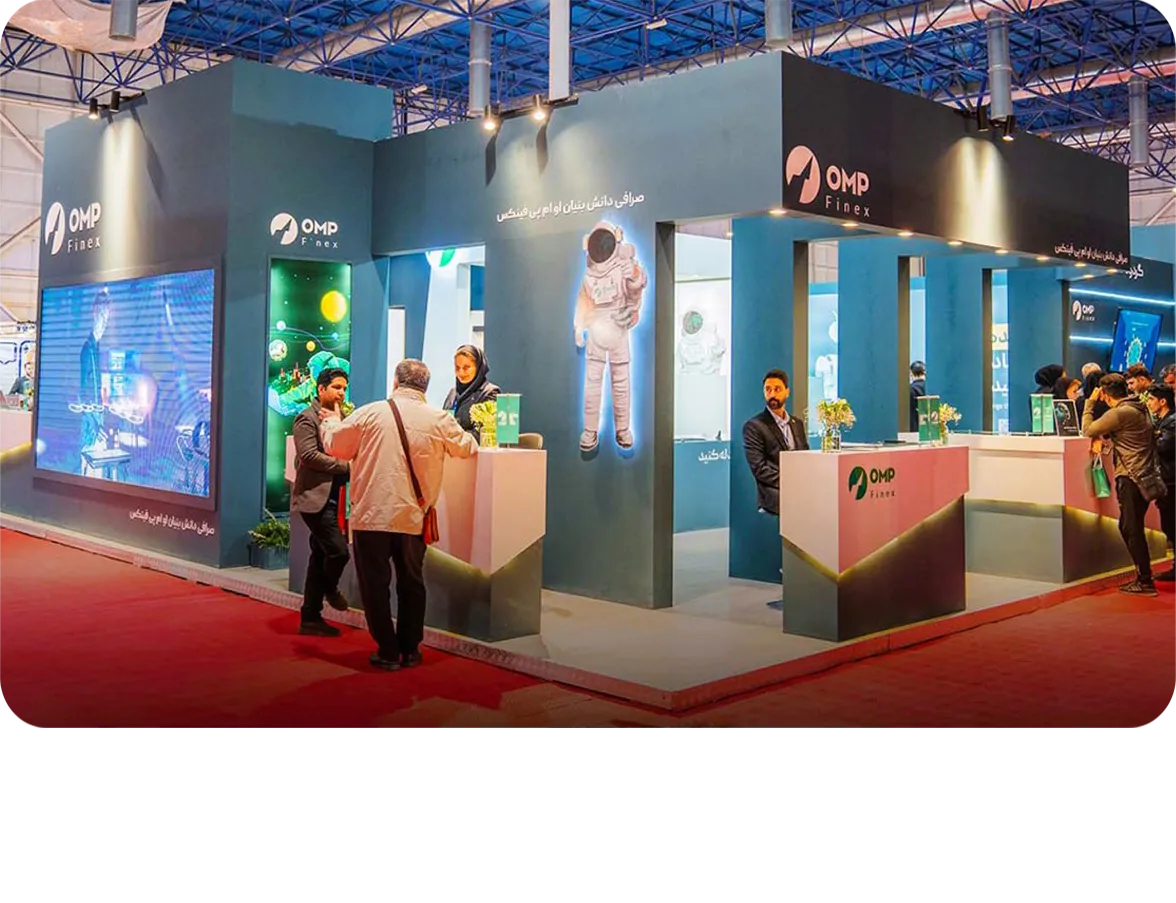
At Mammute Architecture Studio, exhibition design focuses on creating interactive, distinctive, and message-driven spaces. From commercial booths and international pavilions to cultural events and product showrooms, every project is strategically planned with a strong emphasis on aesthetics and visitor journey design, transforming brand identity into a tangible three-dimensional experience.

Mammut’s Approach to Exhibition Design

Spatial Brand Storytelling and Visitor Journey Design
Exhibition design at Mammute Architecture Studio follows a brand-centered and experience-driven approach. The primary objective is to transform an abstract brand identity into a tangible environment where meaningful interaction and direct engagement with visitors take place. From exhibition booths and event pavilions to pop-up spaces and galleries, every design is built upon brand identity analysis, visitor flow scenarios, dramatic lighting strategies, and thoughtful material selection. By combining bold architectural forms with interactive technologies, the Mammute design team balances marketing objectives with architectural excellence. The result is temporary architecture that stands out within competitive exhibition environments and leaves a lasting impression on both audiences and brand positioning.

Key Features of Exhibition Design at Mammute

Full Alignment Between Architecture and Brand Strategy

Visitor Journey Planning and Interactive Experience Design

Innovation in Structure, Materials, and Visual Presentation

Creating Engaging and Memorable Spaces

ABOUT
DEPARTMENT

Portfolio

Rozetti Brand Development
[post_terms limit="2"]
Rozetti Brand Development
[post_description]
[post_description]
Development of Namapoushesh Shargh Brand
[post_terms limit="2"]
Brand Development of NPS
[post_description]
[post_description]
Tafrihat Plus Brand Development
[post_terms limit="2"]
Tafrihat Plus Brand Development
[post_description]
[post_description]
Ava Lifestyle Branding
[post_terms limit="2"]
Ava Lifestyle Branding
[post_description]
[post_description]
OMP Finex Brand Development
[post_terms limit="2"]
OMP Finex Brand Development
[post_description]
[post_description]
Designing for Life, Shaping the Future of Space
At Mammute Architecture Department (Mammute), we design spaces that are not only functional and visually compelling but also reflect identity, culture, and future aspirations. Our team combines creative architects, urban planners, industrial designers, and experienced consultants who leverage advanced digital design technologies and modeling tools to deliver innovative architectural solutions.

Design with a Social and Future-Focused Perspective
At Mammute , we view space as a medium for living, interaction, and experience. Across projects ranging from office and cultural environments to urban design and tourism destinations, our team creates unique user experiences through a human-centered and analytical approach.

At Mammute Architecture Department, we see architecture as a tool for enhancing quality of life. Our work is built on innovative technologies, environmentally responsible materials, and a deep understanding of each project’s social and cultural context. We specialize in smart and sustainable urban design, identity-based tourism spaces, and spatial branding. Our areas of expertise include:
– BIM-Based Design and Parametric Modeling: Using tools such as Revit, Rhino, Grasshopper, and ArchiCAD, we deliver precise, scalable, and high-quality architectural solutions.
– Sustainable and Climate-Responsive Architecture: Implementing eco-friendly strategies, renewable energy solutions, smart materials, and climate-responsive design to minimize environmental impact.
– Experience-Driven and Brand-Centered Architecture: Designing spaces that communicate brand stories, encourage user engagement, and enrich lived experiences—from exhibition and cultural venues to participatory public spaces.
– Urban Design and Place Branding: Active involvement in innovative urban space projects, environmental wayfinding systems, and brand-led placemaking initiatives in collaboration with MUIS.**