


Tourism development in peripheral regions is often shaped by extractive models in which local communities are marginalized and cultural heritage is commodified without strengthening endogenous growth. In response to this challenge, the present study examines an innovative participatory approach to tourism development implemented by the Mammute Urban Innovation Studio (MUIS) in the Makoran region and Qeshm Island in Iran. Leveraging an Asset-Based Community Development (ABCD) approach and co-creation methodologies, this initiative strengthens local agency, preserves indigenous culture, and fosters entrepreneurial innovation. Using participatory action research, narrative ethnography, and social asset mapping, the case study demonstrates how context-sensitive, bottom-up strategies can transform marginalized areas into dynamic and sustainable tourism hubs. The findings contribute to the emerging literature on inclusive tourism development and present a scalable model that integrates local knowledge, cultural identity, and economic empowerment.

From Theory to Transformation: A Narrative of Participatory Regeneration in Makoran and Qeshm
At the Mammute Urban Innovation Studio (MUIS), our mission goes beyond physical design; we aim to redefine the relationship between “community” and “development.” Our fieldwork in southern Iran is grounded in the intersection of three core frameworks: Asset-Based Community Development (ABCD), participatory design, and sustainable tourism.
Within the ABCD approach, we deliberately shifted the focus of development from “community deficiencies” to “local assets.” This paradigm shift enabled us to mobilize existing resources—including social capital, cultural richness, and ecological potential. In this process, co-creation frameworks served as our primary methodology, providing a platform for inclusive knowledge production and participatory problem-solving, allowing local communities to design tourism experiences not as imposed products, but as expressions of their authentic identity and values.

Innovation Tools in Practice: MUIS Methodology
To realize this vision, we applied Participatory Action Research (PAR), structured around three operational pillars:
Narrative ethnography: Used as a tool to document oral histories and translate intangible heritage into actionable strategies.
Participatory asset mapping: This process helped identify and codify local resources, ranging from historical sites and cultural heritage to influential social networks.
Co-creation workshops: These sessions facilitated collective design processes, breaking hierarchical knowledge structures and strengthening a shared sense of ownership over development initiatives.

Makoran and Qeshm Experience: Identity-Driven Regeneration
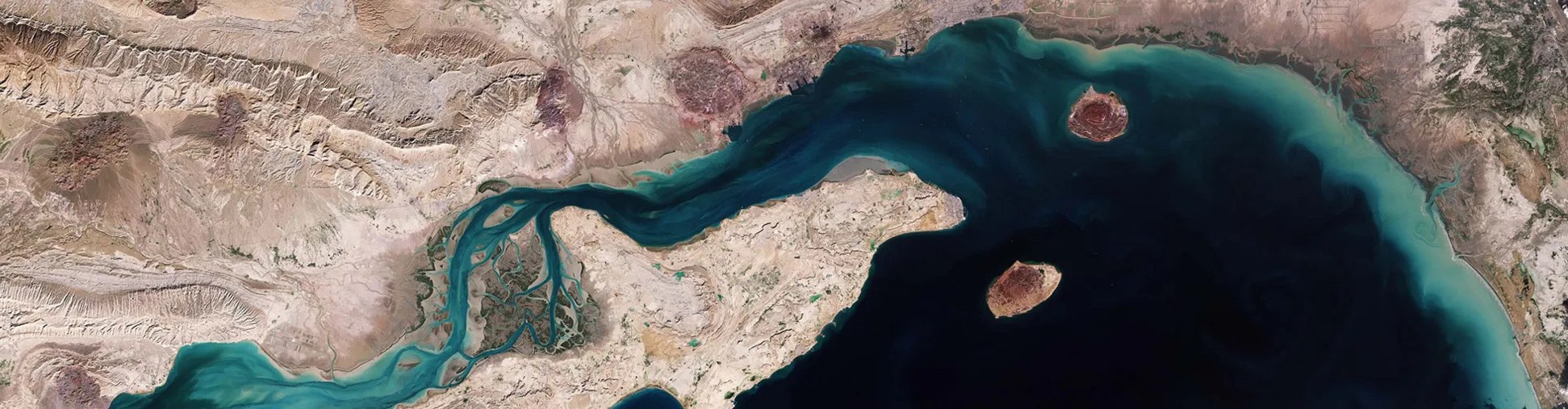
The Makoran region and Qeshm Island, despite their exceptional cultural and ecological richness, have historically been marginalized in national development strategies. MUIS interventions in these areas present a concrete model of empowerment:
In Qeshm Island, which includes 64 villages and 6 cities, MUIS facilitated the creation of 20 community-based startups in ecotourism, handicrafts, and cultural experiences. A key milestone was the establishment of a “Local Innovation Factory”—a dynamic space enabling entrepreneurship, cultural regeneration, and the growth of indigenous ideas.
In the Makoran region, comprising 54 settlements, the Mammute model was further tested. The emergence of initiatives such as “Lirgasht” in tourism guiding, “Gavara” in ecological agriculture, and “Pomen” focused on mango-based derivative products demonstrates the power of local identity in driving innovation. The institutionalization of these initiatives was further supported through close collaboration with science and technology parks in Sistan and Baluchestan and Hormozgan provinces.
Beyond Physical Space: Toward a Sustainable Future
The MUIS methodology challenges traditional extractive development models by positioning community members as “primary knowledge producers” and “economic designers.” Our core innovation lies in linking place-based branding with cultural identity.
These experiences in southern Iran demonstrate that sustainable tourism development is not merely a matter of infrastructure or top-down policy implementation; it requires deep and authentic engagement with local history, identity, and aspirations. This approach directly contributes to the United Nations Sustainable Development Goals (SDGs), particularly Goal 11 (Sustainable Cities and Communities), offering a scalable model for regenerating peripheral regions on a global scale.