

From Aerial Offshoot to Living Heritage: Date-Palm Root Induction as a Circular Tourism Practice in Minab, Iran
Introduction
The Mammute Urban Innovation Studio (MUIS), a department of the Mammute Consulting and Accelerator Center, has published its latest research achievement in collaboration with researchers from the University of Aveiro (Portugal) as part of its ongoing commitment to advancing interdisciplinary research in urban innovation, cultural heritage, tourism, and sustainable development.
Published in June 2026 in the Global Journal of Tourism, Leisure & Hospitality Management, this study offers a fresh perspective on one of the indigenous agricultural practices of date-palm farmers in Minab, southern Iran. It demonstrates how a traditional farming technique can be understood as more than a cultivation method, evolving into an element of a region’s living heritage—one that has the potential to preserve local knowledge, strengthen community participation, and inspire innovative tourism experiences.
The central premise of the article is that the true value of a place lies not only in its products, monuments, or landscapes, but also in the knowledge, skills, and lived experiences that have been preserved and transmitted across generations. From this perspective, the study proposes a framework that connects living heritage, circular tourism, and sustainable development.
A New Perspective on Agricultural Tourism
Conventional models of agricultural tourism typically focus on local products, natural landscapes, traditional festivals, or recreational activities. Yet a significant portion of a region’s cultural and social value resides in the knowledge, practical skills, and farming techniques that have evolved over generations and have been passed down through lived experience. Although these forms of indigenous knowledge often receive less attention, they represent an essential component of local identity and cultural capital.
Building on this perspective, the study introduces an alternative approach to agricultural tourism. The authors argue that agricultural practices themselves can become subjects of observation, interpretation, and learning as elements of a region’s living heritage. In this model, visitors are encouraged not only to appreciate agricultural products but also to understand the knowledge, expertise, and decision-making processes behind them.
The research focuses on a traditional propagation practice used by date-palm farmers in Minab, in which date-palm offshoots are induced to develop roots before being separated from the mother palm, thereby increasing their chances of successful transplantation and survival. Beyond its agricultural function, this practice embodies generations of practical knowledge, environmental understanding, and technical expertise that have shaped the region’s farming traditions.
The researchers suggest that when such knowledge is properly documented, interpreted, and presented through the active participation of local communities, it can evolve beyond an everyday agricultural activity into an educational, cultural, and tourism experience—one that preserves agricultural authenticity while contributing to the transmission of indigenous knowledge, strengthening local identity, and creating sustainable social and economic value.
The Proposed Research Framework
To evaluate this potential, the researchers developed a conceptual model called the Living Heritage Circularity Framework (LHCF). Rather than assessing living-heritage practices solely from economic or environmental perspectives, the framework examines them through five interconnected dimensions:
- Biological retention and genetic continuity
- Responsible and circular use of local resources
- Continuity and transmission of indigenous knowledge
- Visitor learning and engagement
- Local value retention and community empowerment
The framework demonstrates that the success of a tourism experience should not be measured merely by visitor numbers, but also by the extent to which it safeguards heritage, supports local participation, and ensures the continuity of knowledge.
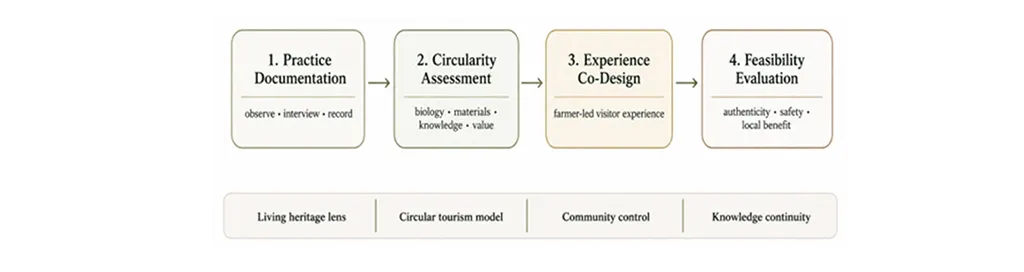
Figure 1: Living Heritage Circularity Framework: Minab Case Study.
Research Methodology
The study adopted an exploratory embedded case-study approach in the palm groves of Minab. Through field observation of the root induction process of aerial date-palm offshoots, interviews with local farmers and agricultural specialists, and a participatory co-design workshop, the researchers explored the feasibility of transforming this indigenous agricultural practice into an educational tourism experience.
The collected evidence was subsequently analyzed using the proposed conceptual framework to identify the strengths, opportunities, and practical considerations associated with implementing this idea.
Key Findings
The findings indicate that the significance of this traditional practice extends well beyond improving the success rate of date-palm propagation. More importantly, it serves as a platform for intergenerational knowledge transfer, reinforces local identity, enhances visitor awareness, and contributes to retaining economic value within the local community.
The study further concludes that the successful development of such an experience depends on several fundamental principles: preserving the authenticity of agricultural activities, ensuring the active involvement of farmers in interpreting and delivering the experience, managing visits through small groups, respecting the seasonal rhythms of palm cultivation, and establishing fair mechanisms for benefit sharing among local stakeholders.
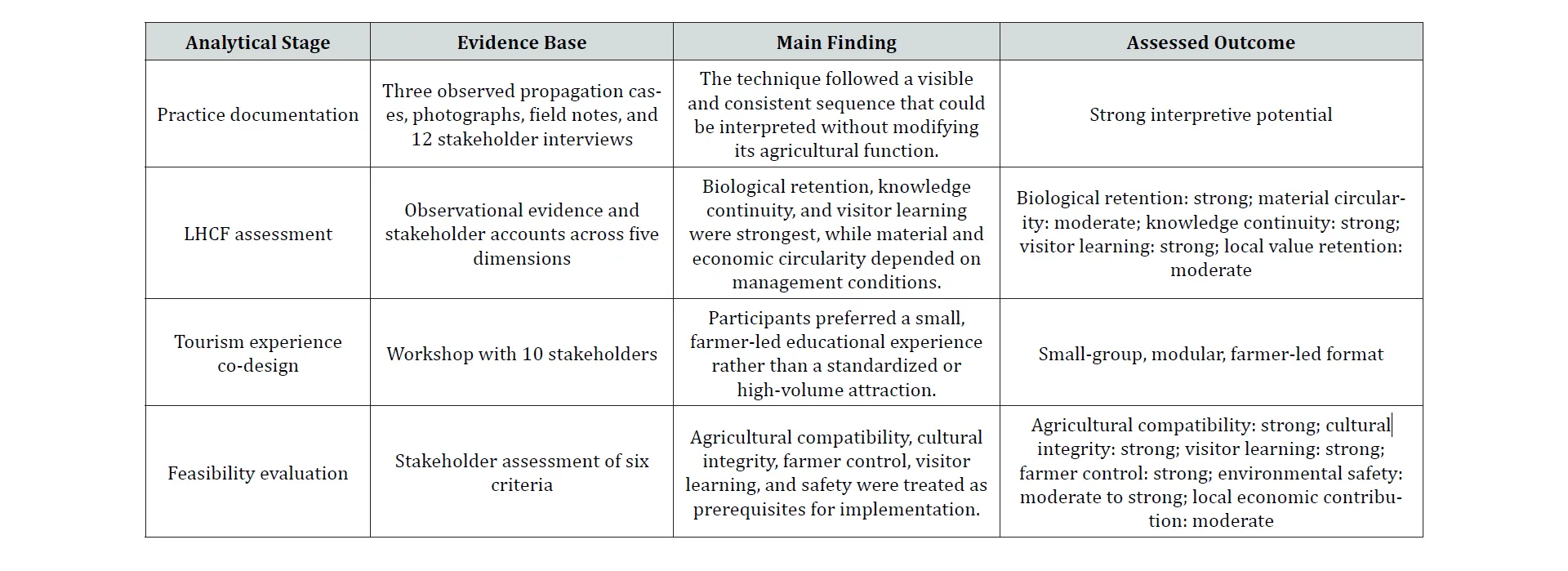
Table 1: Empirical results of the Living Heritage Circularity Framework in the Minab case study
Conclusion
This article exemplifies the research approach of the Mammute Urban Innovation Studio (MUIS) in integrating urban innovation, cultural heritage, tourism, and sustainable development. It demonstrates that many valuable opportunities for development lie not in creating new infrastructure, but in rediscovering and reimagining indigenous knowledge and everyday practices that have evolved within local communities over generations.
The perspective presented in this study offers a valuable foundation for designing similar initiatives in other regions of Iran and beyond—initiatives that place the preservation of living heritage, meaningful community participation, and the creation of authentic visitor experiences at the heart of sustainable development.
Read the Full Article
The full version of this research is available on the official website of the Global Journal of Tourism, Leisure and Hospitality Management. To read the full article, please click the link below:
🔗 [Read the full article on Global Journal of Tourism, Leisure and Hospitality Management ]